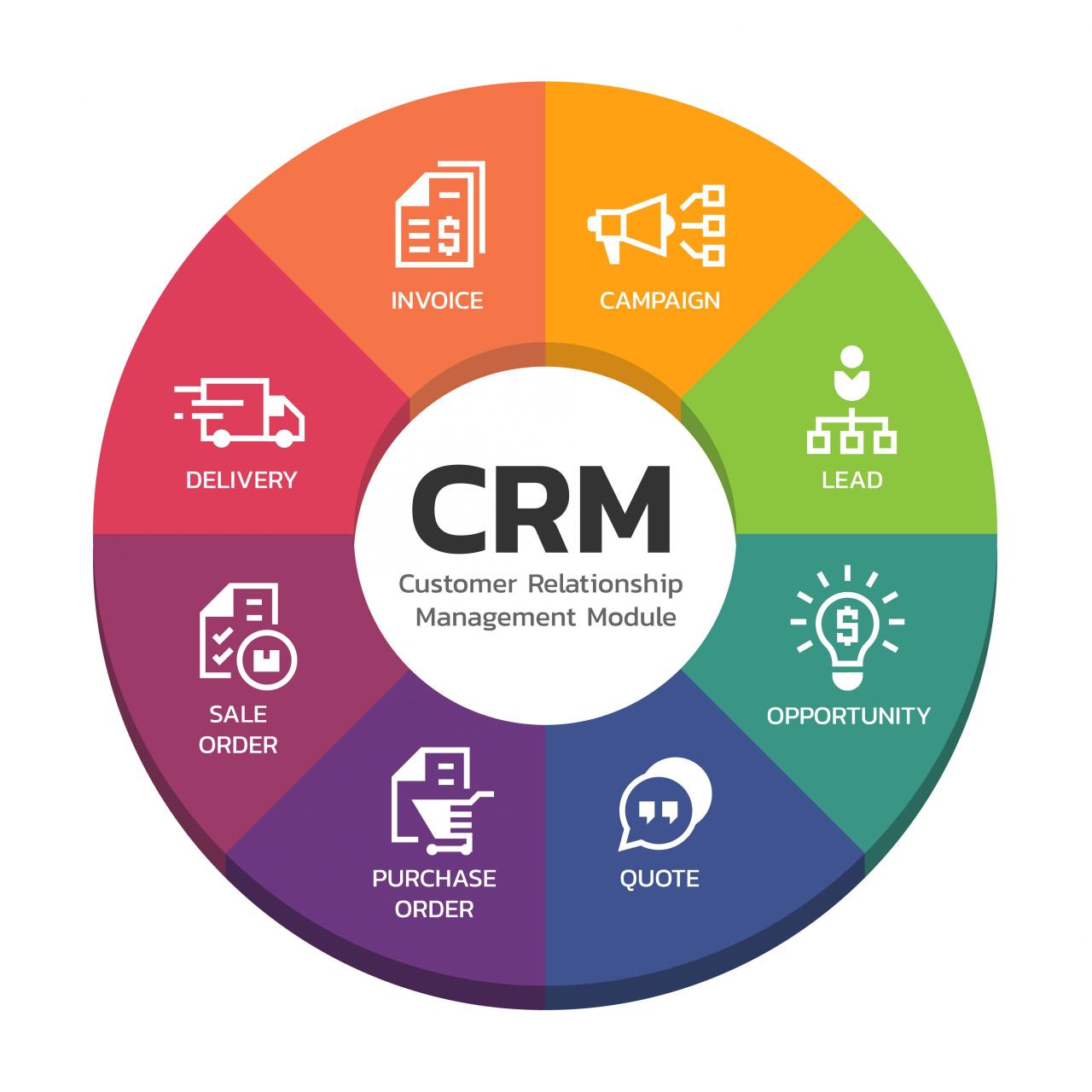
CRM Software to Boost Customer Engagement sets the stage for an enthralling exploration of how the right tools can transform interactions with clients. In today’s fast-paced business environment, effective customer engagement is essential for building lasting relationships and driving growth. This piece delves into the various functionalities of CRM software, illustrating its significance in fostering loyalty and enhancing customer experiences.
As businesses strive to connect more deeply with their audience, understanding the multifaceted approaches that CRM software offers becomes crucial. From automating communication to providing insights into customer behavior, these systems empower businesses to tailor their strategies and increase satisfaction. The discourse not only highlights the benefits but also explores the innovative tools that are revolutionizing customer relationship management.
In the ever-evolving digital landscape, the importance of solid content marketing strategies cannot be overstated. Businesses and brands are continuously searching for effective ways to engage their audience, improve brand visibility, and ultimately increase conversions. This article dives deep into the elements that make a robust content marketing strategy, exploring various aspects from understanding your audience to leveraging and analytics for content optimization.
Understanding Your Audience
The first step in crafting a successful content marketing strategy is to thoroughly understand your target audience. Who are they? What are their needs, interests, and pain points? Conducting audience research is crucial. It helps you create content that resonates with your audience on a personal level.
Utilizing tools like surveys, social media polls, and analytics can provide valuable insights into your audience’s demographics and behaviors. Additionally, creating audience personas can help you visualize your audience segments and tailor your content to meet their specific needs.
Defining Your Goals
Once you have a clear understanding of your audience, the next step is to define your content marketing goals. What do you want to achieve with your content? Whether it’s increasing brand awareness, driving website traffic, generating leads, or boosting sales, having clear, measurable goals will guide your content creation process.
Using the SMART criteria can help in goal-setting—making sure your goals are Specific, Measurable, Achievable, Relevant, and Time-bound. This framework provides clarity and focus, ensuring that your content marketing efforts are strategic and aligned with your overall business objectives.
Content Planning and Strategy
With a solid understanding of your audience and defined goals, it’s time to develop a content strategy. This process involves planning what type of content you will create, how often you will publish, and the channels you will use for distribution.
A content calendar is a valuable tool here. It helps you organize your content publishing schedule, ensuring a consistent flow of relevant content. Your content should be a mix of formats—blog posts, videos, infographics, podcasts, and social media posts—to cater to different preferences and learning styles.
Optimization: CRM Software To Boost Customer Engagement
Search Engine Optimization () is an essential component of content marketing. By optimizing your content for search engines, you increase its visibility, drawing more traffic to your website. research is a foundational step in this process. Use tools like SEMrush to identify high-volume, relevant s that your audience is searching for.
Incorporate these s naturally into your content, including titles, headers, and meta descriptions. However, avoid stuffing, as it can negatively affect readability and lead to penalties from search engines. Remember, quality content that meets the needs of your audience should always take precedence over optimization.
Creating High-Quality Content
Content quality is critical. High-quality content engages, informs, and provides value to your audience, which establishes your brand as an authority in your industry. Focus on creating content that is well-researched, factually accurate, and presents a unique perspective.
Utilizing storytelling techniques can enhance your content’s appeal. People connect with stories on an emotional level, making it more likely that they will share and engage with your content. Additionally, incorporating visuals such as images, videos, and infographics can break up the text, making your content more digestible and engaging.
Promotion and Distribution
Creating great content is only half the battle; promoting it is equally important. Determine the best channels for distribution based on where your audience spends their time. Social media platforms, email newsletters, and content syndication are effective methods for reaching a wider audience.
Also, consider collaborating with influencers or other brands in your niche. Guest blogging and cross-promoting content can expand your reach and introduce your brand to new audiences. Always remember to track the performance of your promotional strategies to understand what works best and refine your approach accordingly.
Measuring Success and Analytics
To ensure your content marketing strategy is effective, measuring its success is vital. Utilize analytics tools to track key performance indicators (KPIs) relevant to your goals. These might include website traffic, engagement rates, conversion rates, and social shares.
Regularly analyzing this data allows you to identify trends, strengths, and weaknesses in your content strategy. Adjust your tactics based on insights gained—this might involve tweaking your content, experimenting with new formats, or changing your promotional strategies to better align with your audience’s preferences.
Continuous Improvement
The digital landscape is always changing, and so are audience preferences. Therefore, continuous improvement should be an integral part of your content marketing strategy. Stay updated with industry trends, emerging technologies, and shifts in consumer behavior.
Regularly revisit and revise your content strategy based on performance analytics and new insights. This adaptability ensures that your content remains relevant and engaging, keeping your audience interested and invested in your brand.
Conclusion
In conclusion, a successful content marketing strategy is built on a deep understanding of your audience, clear goal-setting, rigorous planning, and consistent quality content creation. By optimizing for , promoting effectively, and leveraging analytics for continuous improvement, businesses can create a powerful content marketing engine that drives engagement and conversions. As you embark on your content marketing journey, remember that the landscape is dynamic—stay flexible, adapt, and keep evolving to meet your audience’s ever-changing needs.